Quick Summary
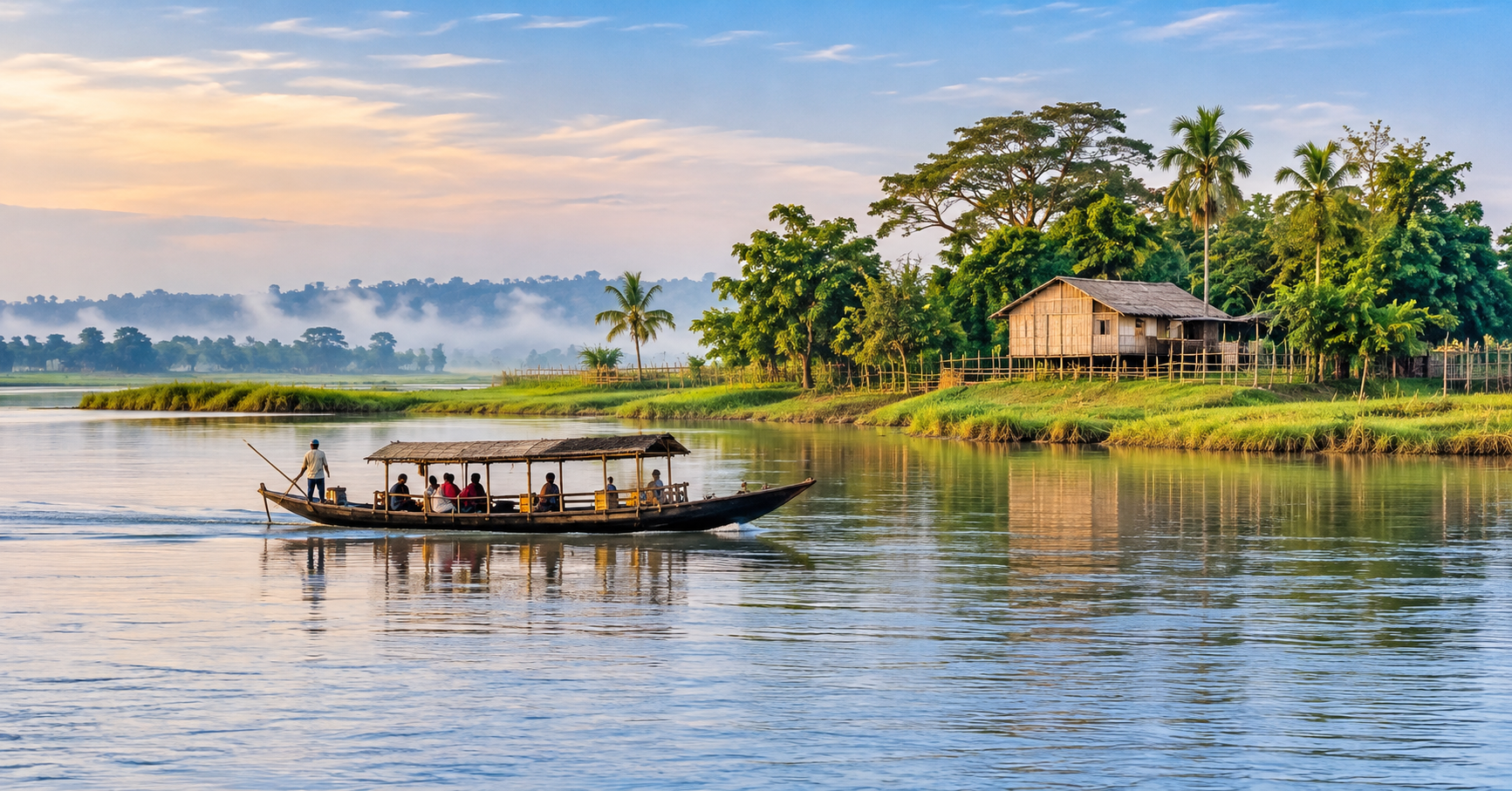
Most travellers see Assam as a two-stop trip: rhinos at Kaziranga and Kamakhya Temple in Guwahati. That is a small slice of the state. The best places to visit in Assam beyond these two include a river island with living monasteries, a royal Ahom capital, the state’s only hill station and a tiger reserve on the Bhutan border.
- Assam has far more to offer than Kaziranga and Guwahati.
- Majuli, Sivasagar, Haflong, Manas, Tezpur and Dibrugarh are the strongest alternatives.
- The best season is October to April, when the weather is dry and pleasant.
- A 7 to 9 day itinerary covers 3 or 4 of these places comfortably.
- Pairing Assam with Meghalaya gives you one of the best two-state trips in Northeast India.
The 6 Places at a Glance
| S. No. | Place | Best For | Best Time to Visit | Approx. Distance from Guwahati |
|---|---|---|---|---|
| 1 | Majuli | Culture, river island, satras | Oct to Mar | ~400 km |
| 2 | Sivasagar | Ahom history and heritage | Nov to Feb | ~360 km |
| 3 | Haflong | Hill station, birdwatching, calm | Oct to Mar | ~330 km |
| 4 | Manas National Park | Wildlife, tiger reserve, nature | Nov to Apr | ~140 km |
| 5 | Tezpur | Temples, ruins, riverside views | Oct to Mar | ~180 km |
| 6 | Dibrugarh | Tea estates, Brahmaputra, bungalow stays | Oct to Apr | ~440 km |
Distances are approximate road distances and vary by route. Every place here is easy to reach by road, rail or air, and each offers something very different. You can build a cultural trip, a wildlife trip, a slow tea-country holiday or a mix of all three. Here is what makes each one worth the detour.
Not Sure Which Assam Places Fit Your Trip?
Majuli, Manas, Sivasagar and three more is a lot to choose from. Tell us your travel dates, group size and how many days you have. Our Shillong-based team will suggest the right mix of places for your Assam trip.
1. Majuli: The World’s Largest River Island
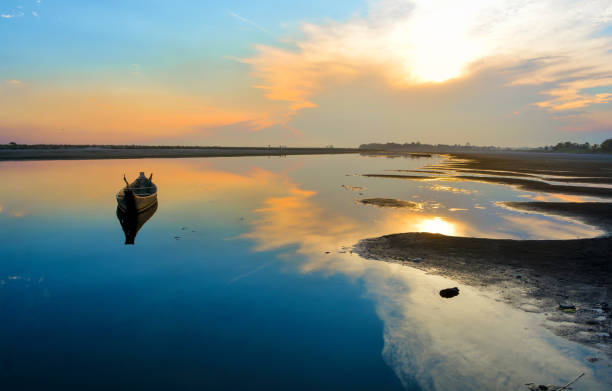
Majuli sits in the middle of the Brahmaputra and is widely recognised as the largest river island in the world. Bamboo houses stand on stilts, ferries replace buses, and the pace of life follows the river. It is the heart of Assamese Vaishnavite culture, where satras (monastic institutions) have preserved dance, music, mask-making and drama for centuries.
Why visit Majuli:
- Visit satras such as Auniati, Dakhinpat and Kamalabari to see living traditions.
- Watch mask-makers at work in Samaguri.
- See traditional pottery at Salmora, made without a wheel.
- Time your trip for Raas Leela in November if you can. It is the island’s biggest cultural festival.
- Stay in a bamboo homestay and eat local Mising cuisine.
Pro tip: The ferry from Neemati Ghat near Jorhat takes about 1.5 hours. Check timings in advance, because the last ferry leaves in the afternoon.
Common mistake: Trying Majuli as a day trip. You will spend most of it on the ferry. Stay at least one night, ideally two.
2. Sivasagar: The Royal Capital of the Ahoms
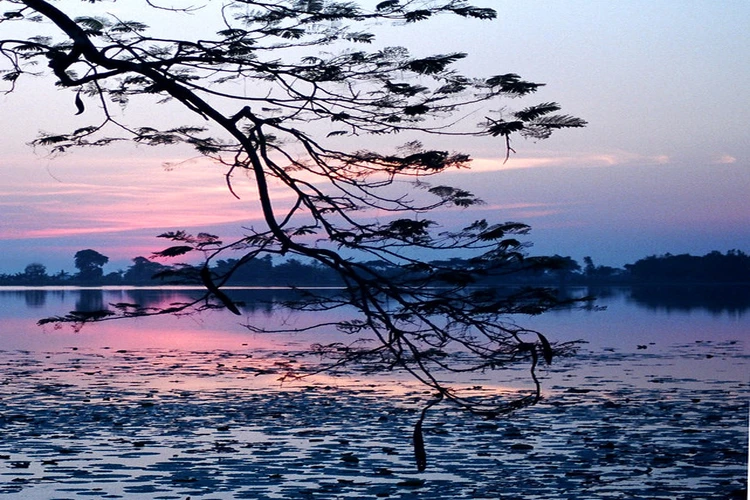
Sivasagar was the seat of the Ahom dynasty, which ruled Assam for roughly 600 years. The town is built around a large tank, and the monuments around it are still remarkably intact.
Top attractions in Sivasagar:
- Rang Ghar: a two-storey royal pavilion often described as one of the oldest amphitheatres in Asia.
- Talatal Ghar: a multi-storey palace with underground levels and secret passages.
- Sivasagar Tank and Shivadol: a large tank with a cluster of tall Shiva temples on its bank.
- Charaideo Moidams: the burial mounds of Ahom royalty, inscribed as a UNESCO World Heritage Site in 2024.
Did you know? Ahom architecture often used a mix of brick, stone and a mortar made with lentil paste and eggs. That is one reason many structures have survived for centuries.
Sivasagar suits history lovers and anyone who wants to understand how Assam’s identity formed. It also makes an easy stop on the road between Jorhat and Dibrugarh.
3. Haflong: Assam’s Only Hill Station
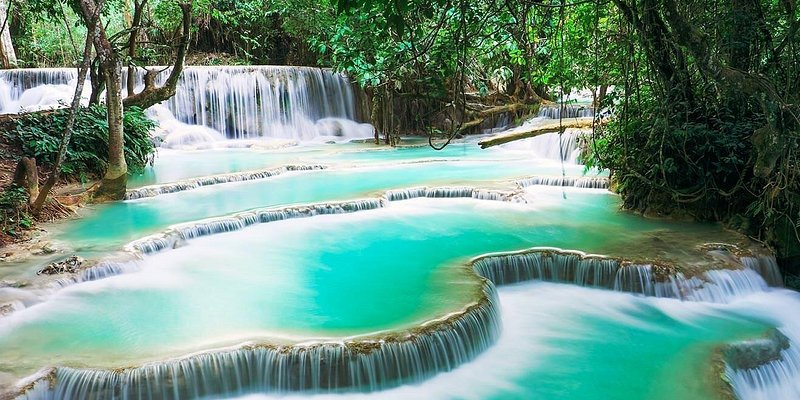
Most people do not expect hills in Assam, which is why Haflong surprises them. It is the headquarters of Dima Hasao district and the only hill station in the state. Mist, pine slopes and quiet lanes make it a good break from the plains.
What to do in Haflong:
- Walk around Haflong Lake, the town’s central attraction.
- Visit viewpoints in the Borail range for sunrise and valley views.
- Explore the Jatinga area, known for its birdwatching and the unusual bird-behaviour phenomenon seen on dark, misty nights between roughly September and November.
- Meet the Dimasa and Zeme Naga communities and sample their food.
Expert insight: Haflong rarely appears on mainstream itineraries, so it is one of the few hill towns in the region where you will not queue for a view. It works best as a 2 night stop for travellers who want calm rather than a checklist.
Pro tip: The train journey through the hills toward Haflong is scenic in itself. Plan your timing around it.
Want Offbeat Assam Without the Planning Stress?
Ferries to Majuli, safaris in Manas and hill stays in Haflong all need advance booking. We handle transport, stays and local guides so you can enjoy the hidden gems of Assam and skip the logistics.
4. Manas National Park: Wild Assam on the Bhutan Border
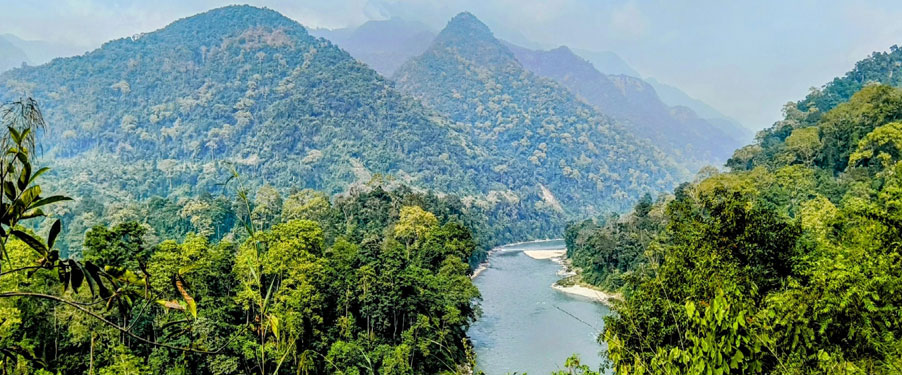
If you only know Kaziranga, Manas will change how you think about Assam’s wildlife. It is a UNESCO World Heritage Site, a Project Tiger reserve and an elephant reserve, set against the foothills of Bhutan.
What makes Manas special:
- A rare mix of grassland, forest and river habitats.
- Wildlife includes tigers, Asian elephants, wild water buffalo, the golden langur and the endangered pygmy hog.
- Over 400 bird species have been recorded, which makes it a strong birdwatching destination.
- Fewer crowds than Kaziranga, so sightings feel more personal.
Best way to explore: Take a jeep safari in the Bansbari range, and a river rafting trip on the Manas River if the season allows. Mathanguri, near the Bhutan border, offers one of the most scenic views in the park.
Did you know? Manas was once severely affected by conflict in the region, and its recovery over the years is regarded as a conservation success story.
Season tip: The park is open for visitors roughly from November to April, and closed during the monsoon.
5. Tezpur: The City of Temples, Ruins and River Views
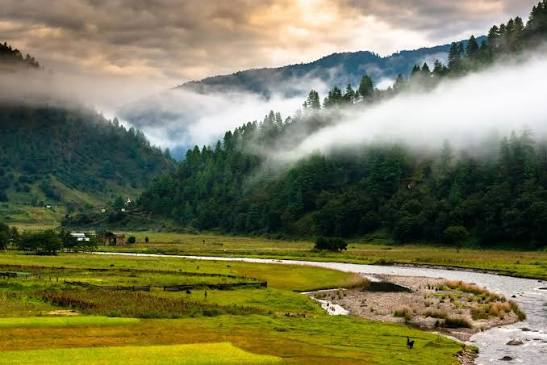
Tezpur is often treated as a transit town on the way to Arunachal Pradesh or Kaziranga. That undersells it. It has a rich mix of mythology, ruins and quiet riverside spots, and it is relaxed enough that you can see most of it in a day.
Top things to do in Tezpur:
- Agnigarh Hill: a hilltop park with sculptures and views of the Brahmaputra.
- Mahabhairab Temple: a historic Shiva temple that draws large crowds during Shivaratri.
- Da-Parbatia: the remains of an ancient temple, including a carved doorframe often dated to the Gupta period.
- Cole Park: a landscaped park that is popular with locals in the evening.
Why it works as a base: Tezpur is close to Nameri National Park, which is known for birdwatching, jungle walks and river rafting on the Jia Bhoroli. That makes it a good base for travellers who want culture and nature on the same trip.
6. Dibrugarh: Tea Country on the Brahmaputra
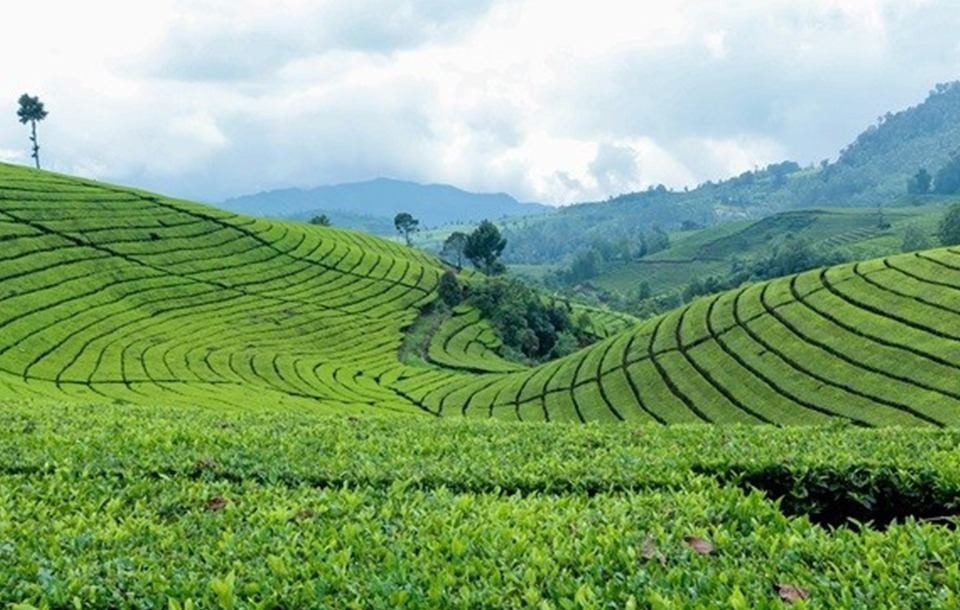
Dibrugarh is often called the tea capital of India and sits close to some of the oldest tea estates in the country. For anyone who wants a slow, scenic holiday, this is the place.
What to experience in Dibrugarh:
- Stay in a heritage tea bungalow and wake up to estate views.
- Take a tea-estate tour and watch leaves being plucked, withered and processed.
- Taste fresh Assam CTC and orthodox teas at the source.
- Cruise on the Brahmaputra, one of the widest rivers in Asia at this point.
- Visit Dibru-Saikhowa National Park nearby for birds, feral horses and river-island scenery.
Pro tip: Visit between March and June if you want the famous first and second flush teas, though the winter months are better for weather.
Common mistake: Treating Dibrugarh as only an airport stop. A two-night stay is the minimum if you want to enjoy the estates properly.
How to Plan Your Assam Trip
Distances in Assam look short on a map but feel long on the road. Roads are improving, but travel times are still slower than you may expect, so group places by region instead of trying to cover everything.
Suggested combinations:
- Upper Assam circuit: Jorhat, Majuli, Sivasagar, Dibrugarh (6 to 7 days)
- Wildlife circuit: Manas, Tezpur, Nameri, Kaziranga (5 to 6 days)
- Hills and heritage: Haflong plus Guwahati and Shillong (5 days)
Book ferries, safaris and heritage stays ahead of time in peak season (November to February). Carry cash for remote areas, since digital payments can be unreliable on islands and in hill districts.
Final Thoughts
Assam rewards travellers who look past the obvious. Kaziranga and Guwahati are worth seeing, but the real character of the state shows up on a Majuli ferry, in a Sivasagar monument, on a quiet Haflong lake walk, in a Manas jeep safari, at a Tezpur riverside and on a Dibrugarh tea estate. Each of these places offers something the headline destinations cannot: space, authenticity and a slower pace.
If you want help turning these ideas into a smooth itinerary, with transport, stays and local guides sorted, The Shillong Tours can help you plan a trip across Assam and Meghalaya that fits your time, budget and travel style.
Ready to Explore Assam and Meghalaya Together?
Pair Assam’s river islands, tea estates and wildlife with Meghalaya’s hills and waterfalls in one smooth itinerary. Share your dates and budget, and The Shillong Tours will build a trip that fits you.
Frequently Asked Questions (FAQs)
1. What are the best places to visit in Assam other than Kaziranga and Guwahati?
The best options are Majuli, Sivasagar, Haflong, Manas National Park, Tezpur and Dibrugarh. Together they cover culture, history, wildlife, hills and tea country.
2. What is the best time to visit Assam?
October to April is the best time. The weather is dry and cool, wildlife parks are open and most festivals take place in this window. Avoid the heavy monsoon from June to September.
3. Is Majuli worth visiting?
Yes. Majuli is widely recognised as the world’s largest river island, and it is the centre of Assamese Vaishnavite culture, with satras, mask-making, pottery and the Raas Leela festival.
4. How many days do you need to explore Assam properly?
Plan 7 to 9 days to cover three or four destinations comfortably. A shorter trip of 4 to 5 days works if you focus on one region, such as Upper Assam.
5. Is there a hill station in Assam?
Yes. Haflong in Dima Hasao district is the only hill station in Assam. It is known for Haflong Lake, pine-covered hills and the nearby Jatinga area.
6. Which is better for wildlife, Manas or Kaziranga?
Kaziranga is best known for one-horned rhinos, while Manas is known for habitat variety, tigers, golden langurs and fewer crowds. Many travellers visit both to get a complete wildlife experience.
7. What is Sivasagar famous for?
Sivasagar is famous for being the capital of the Ahom dynasty. Its main attractions include Rang Ghar, Talatal Ghar, Sivasagar Tank, Shivadol and the nearby Charaideo Moidams, a UNESCO World Heritage Site.
8. Is Assam safe for tourists?
Yes, Assam is generally safe for tourists, and its main tourist circuits are well established. Follow standard travel precautions, check local advisories before remote travel and use registered guides and operators.
9. How do I reach Majuli from Guwahati?
Travel by road or train to Jorhat (about 5 to 6 hours by road from Guwahati), then drive to Neemati Ghat and take a ferry of around 1.5 hours to the island.
10. Can I combine Assam and Meghalaya in one trip?
Yes, and it is one of the most popular Northeast India combinations. Guwahati works as the gateway, and Shillong is about 3 to 4 hours away by road, so an 8 to 10 day trip can cover both states.